
MCC does
- Study the existing color and variation
- Mix and test project-specific tones
- Stain or color-match installed material
- Coordinate with builders and masons when useful
Masonry Color Corrections is a color-matching and staining specialist. MCC does not lay brick, rebuild walls, or perform structural masonry repair. The work begins after the mason, builder, or installer has finished and the remaining problem is how the new material looks beside the original.
Request a Free EstimateMCC mixes color for the installed surface and applies it to bring a distracting mismatch back into the larger material pattern. That may mean changing the tone of a replacement brick, building variation into a new addition, matching mortar between two shipments, or correcting a broader unwanted cast.
The goal is not to make every unit identical. Good matching pays attention to the relationship between colors—the light, dark, warm, and muted notes that make the original surface feel natural.
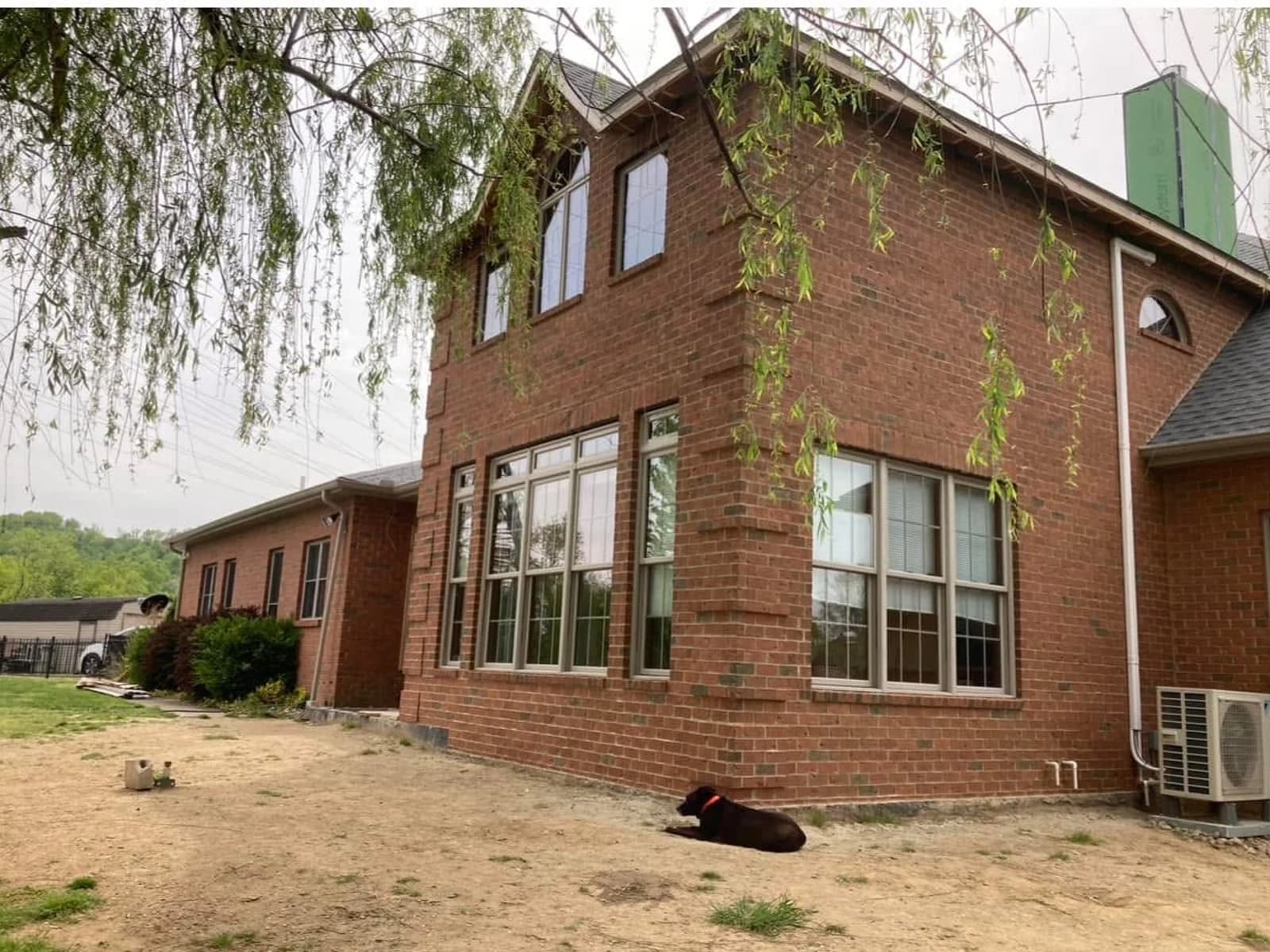
This distinction matters when planning a project. If brick needs to be laid, a wall needs to be rebuilt, or structural damage needs repair, that work belongs with a mason or builder first.
Every project has its own material, light, history, and surrounding color. MCC uses that context to guide the work instead of forcing one stock color across every job.
MCC looks at the surrounding wall or finish from normal viewing distance and up close, paying attention to its lighter tones, darker tones, texture, and repetition.
Target colors are developed against the actual project rather than selected from one generic paint chip. The surface and existing finish determine whether the approach is a fit.
The color work is placed where the mismatch needs it—sometimes brick by brick, sometimes across a larger installed area, and sometimes through the mortar joints as well.
The finished area is checked in context so the repair, addition, shipment change, or specialty material no longer draws attention away from the larger surface.
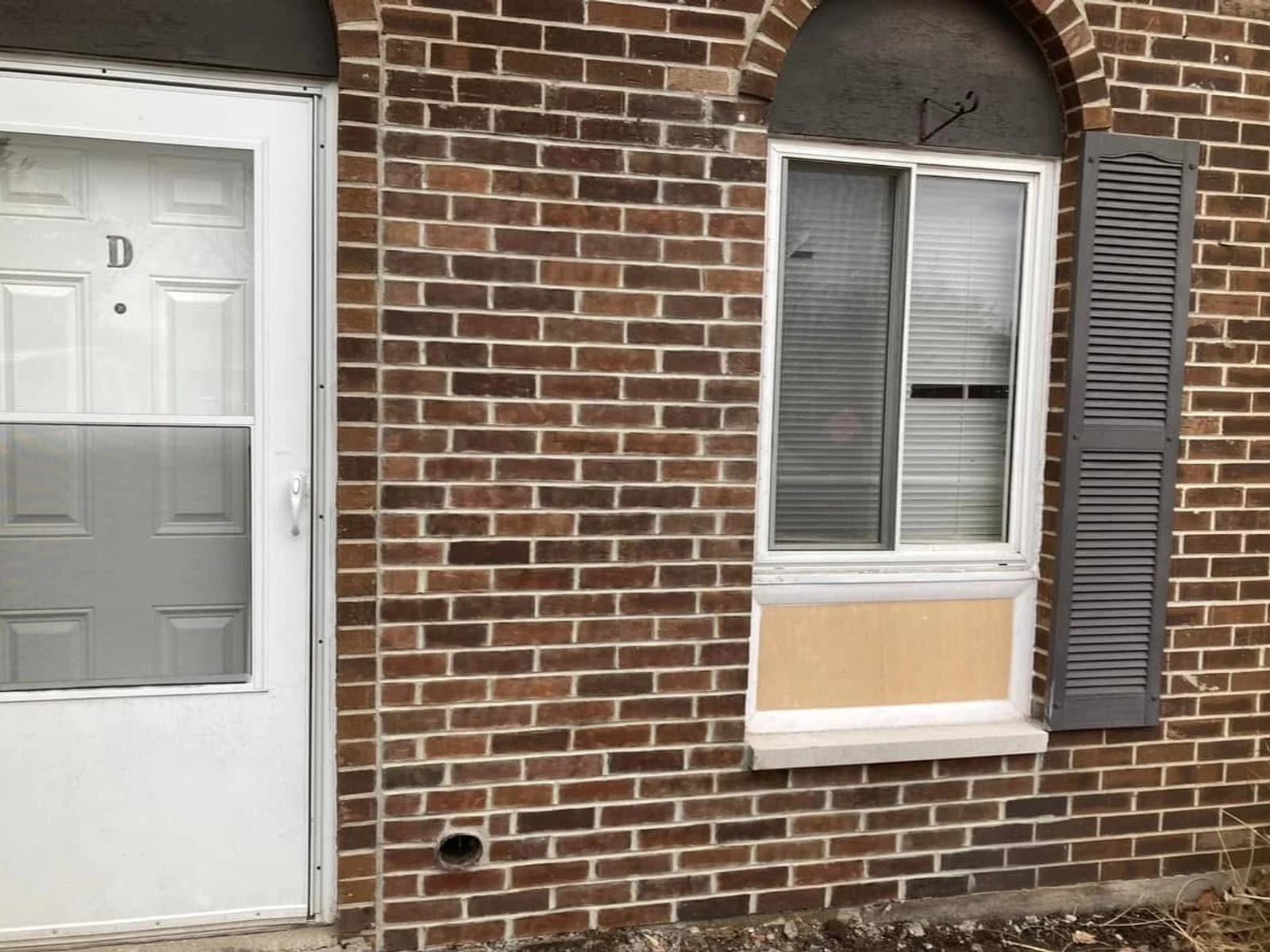
Replacement brick, additions, separate material shipments, patched openings, and mortar or grout that is already installed but does not match.
Larger fields of suitable masonry that need a custom color direction while keeping their visible texture and unit-to-unit variation.
Select ceramic architectural accents and other compatible surfaces when their finish needs to relate to nearby masonry, wood, or trim.
Masonry discolored by weathered paint pigment washing down from aluminum siding, when MCC confirms color correction is the right response.
Send a wide view, a few close-ups, and the project location. MCC will review the installed surface and follow up about fit and next steps.